
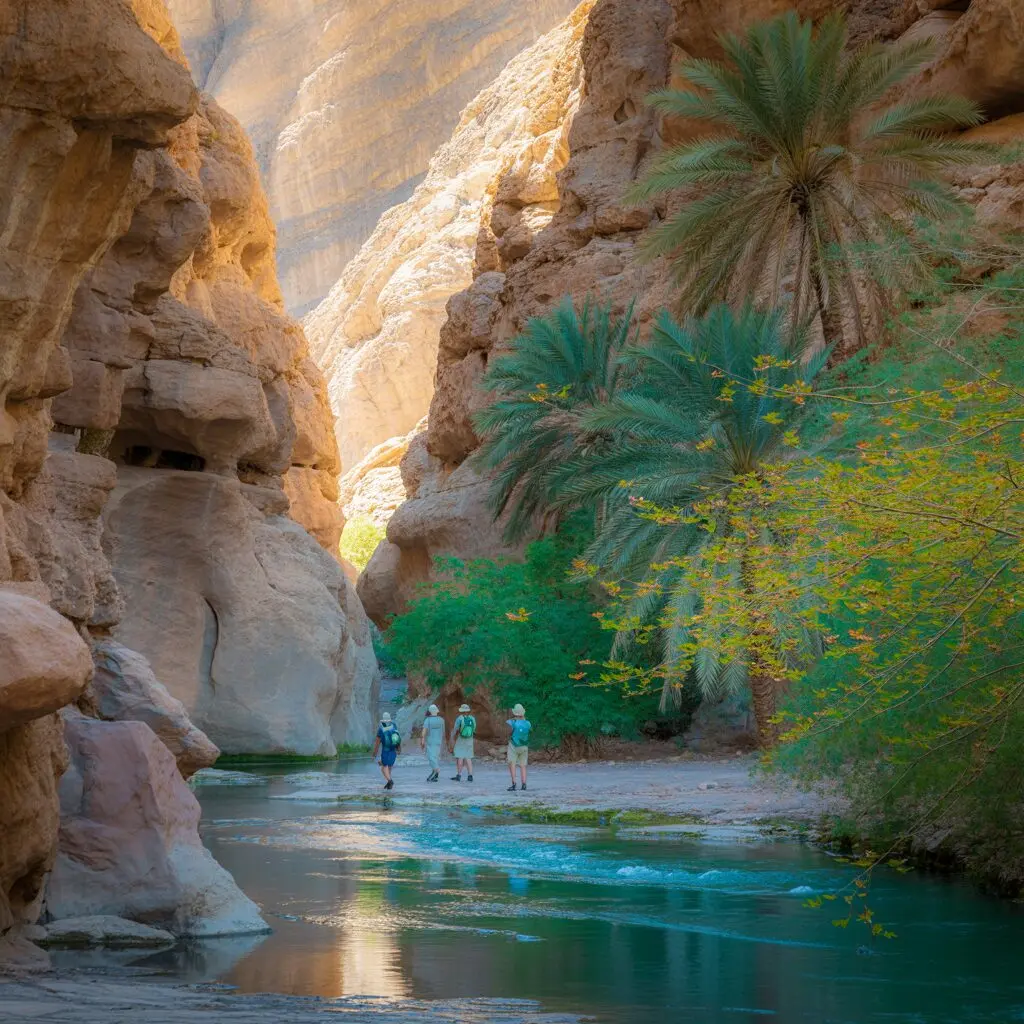
Oman is one of the safest countries in the Middle East for tourists – this guide covers crime safety, health precautions, emergency contacts, solo female travel, and practical tips to help you stay safe and enjoy your trip with peace of mind.
Is Oman Safe for Tourists?
Oman consistently ranks among the safest countries in the Middle East and among the safest destinations globally for international tourists. The country has an extremely low crime rate, a stable political environment, and a welcoming culture rooted in centuries-old traditions of hospitality.
Safety highlights:
– Crime rate: Extremely low, including petty theft and violent crime
– Global Peace Index: Oman consistently ranks in the top 30 safest countries worldwide
– Political stability: One of the most politically stable countries in the Middle East
– Tourist infrastructure: Well-developed with reliable emergency services
– Cultural attitude: Omanis are known for their genuine hospitality toward visitors
The Royal Oman Police maintains a visible presence throughout the country, and the dedicated Tourist Police unit assists visitors with any concerns. Before arriving, ensure your Oman eVisa is approved and your entry requirements are met for a smooth arrival process.
Personal Safety Tips
While Oman is very safe, following basic precautions ensures a trouble-free experience.
Everyday safety:
– Keep copies of your passport and eVisa approval separate from originals
– Use hotel safes for valuables, excess cash, and important documents
– Be aware of your surroundings in crowded areas like souks and markets
– Avoid walking alone in poorly lit or isolated areas late at night (general travel advice, though Oman has very few such areas)
– Keep bags and personal items secure, especially in busy tourist spots
Road safety:
– Oman has excellent highways, but driving standards can vary
– Wear seatbelts at all times – it is the law and strictly enforced
– Speed limits are enforced by cameras – fines are heavy
– Avoid driving at night in rural areas due to the risk of animal crossings
– A 4WD vehicle is recommended for wadis, desert areas, and mountain roads
– Carry a valid driving license (international permit recommended alongside your home license)
Desert and outdoor safety:
– Never venture into the desert without sufficient water (minimum 4 liters per person per day)
– Inform your hotel or a contact about your plans when hiking or exploring remote areas
– Check weather conditions before visiting wadis – flash floods can occur with little warning
– Carry a charged mobile phone with local emergency numbers saved
– Wear appropriate footwear and sun protection for outdoor activities
For comprehensive arrival guidance, see our Oman airport guide and customs regulations.
Health and Medical Safety
Oman has modern healthcare facilities, but travelers should take standard health precautions.
Healthcare facilities:
– Muscat has several internationally accredited hospitals including the Royal Hospital, Sultan Qaboos University Hospital, and private facilities like Muscat Private Hospital
– Major cities have clinics and pharmacies with qualified English-speaking staff
– Rural areas have basic healthcare centers but limited specialized services
– Travel insurance with medical coverage is strongly recommended – medical care can be expensive for uninsured visitors
Health precautions:
– Sun protection: Oman’s sun is intense year-round. Apply SPF 50+ sunscreen, wear a hat, and use sunglasses
– Hydration: Drink at least 2-3 liters of water daily, more during outdoor activities or in summer
– Heat-related illness: Recognize symptoms of heat exhaustion (dizziness, nausea, excessive sweating). Seek shade and hydration immediately
– Food and water: Tap water in Muscat is safe to drink but bottled water is preferred by most visitors. In rural areas, stick to bottled or boiled water
– Insects: Mosquito repellent is advisable, especially during the Khareef season in Salalah and in coastal areas
Pharmacies: Well-stocked pharmacies are available throughout Oman. Many medications require a prescription that would be over-the-counter in other countries. Check which of your medications might be controlled in Oman before traveling.
Solo Female Travel in Oman
Oman is widely regarded as one of the safest countries in the region for solo female travelers. Many women travel independently throughout the country without encountering problems.
What to expect:
– Omani men are generally respectful and will not harass foreign women
– Staring may occur in rural areas out of curiosity rather than malice
– Dress modestly (covering shoulders and knees) as a sign of cultural respect – see our Oman dress code guide for detailed advice
– Hotels, restaurants, and transport services treat solo female travelers professionally
– Oman has a dedicated section for women on public buses in some cities
Practical tips for solo female travelers:
– Choose well-reviewed hotels in safe neighborhoods
– Use ride-hailing apps (OTaxi) rather than hailing taxis on the street for documented trips
– Sit in the back seat of taxis as a cultural courtesy
– Carry a charged phone and share your itinerary with a trusted contact
– Trust your instincts – if a situation feels uncomfortable, remove yourself
– Join group tours for desert camping or remote hiking if traveling alone
Emergency Contacts in Oman
Knowing the right numbers to call in an emergency can save valuable time.
Essential emergency numbers:
| Service | Number | Notes |
|---|---|---|
| Police | 9999 | For all emergencies |
| Ambulance | 9999 | Same number connects to all services |
| Fire | 9999 | Unified emergency line |
| Royal Oman Police (General) | 9999 | 24/7 service |
| Tourist Police | 24564444 | English-speaking assistance |
| Coast Guard | 24715755 | Maritime emergencies |
| Oman Air (flight info) | 24531111 | Airline assistance |
In a medical emergency:
– Call 9999 for an ambulance
– Go directly to the nearest hospital emergency room
– Keep your passport and travel insurance documents accessible
– The Tourist Police (24564444) can assist with language barriers and coordination
Embassy contacts: Save your country’s embassy or consulate number in Muscat before traveling. They can assist with lost passports, legal issues, and medical emergencies.
Scams and Common Issues
Oman has very few tourist scams compared to many other destinations, but awareness helps you avoid potential issues.
What to watch for:
– Taxi overcharging: Some taxi drivers may quote inflated fixed prices. Insist on using the meter or use the OTaxi app for transparent pricing
– Fake tour operators: Book tours through your hotel or verified operators. Check online reviews before committing
– Market bargaining: Bargaining is expected in souks, but be aware of “starting prices” that are 2-3x the reasonable value. Research typical prices for frankincense, silver, and handicrafts before shopping
– Currency confusion: Prices in souks may be quoted in different denominations. Clarify whether the price is in OMR or baisa before agreeing
What is NOT a concern in Oman:
– Pickpocketing is extremely rare
– Drink spiking is virtually unheard of
– Armed robbery or mugging is exceptionally rare
– Organized tourist scams are minimal compared to other tourist destinations
Safety During Ramadan
If your visit to Oman coincides with Ramadan, additional cultural awareness is important.
During Ramadan:
– Do not eat, drink, or smoke in public during daylight hours (between sunrise and sunset)
– Many restaurants and cafes close during the day, but hotels serve food to guests in private areas
– Business hours are shorter, and some attractions may have reduced hours
– Traffic can be heavier before sunset as people rush home for iftar (breaking the fast)
– Evenings come alive with special meals, social gatherings, and festive atmosphere
– Be extra patient and respectful during this holy month
Ramadan tip: Carry water and snacks for consumption in private (your car, hotel room) during daylight hours. Check our Oman travel guide for seasonal advice.
Safety for Different Types of Travelers
Different traveler profiles have different safety considerations in Oman.
Families with children:
– Oman is extremely family-friendly with welcoming attitudes toward children
– Hotels and resorts offer child-friendly facilities and pools
– Car seats are required by law for young children
– Medical care for children is readily available in Muscat
Business travelers:
– Oman has a professional business culture with high security standards
– Hotel business centers and conference facilities are reliable
– Traffic between meetings can be heavy in Muscat – allow extra travel time
Adventure travelers:
– Register with your embassy before engaging in extreme activities
– Use certified operators for diving, rock climbing, and desert expeditions
– Carry adequate supplies and communication equipment in remote areas
– Check the best time to visit Oman for optimal conditions for outdoor activities
Frequently Asked Questions
Is Oman safe for solo female travelers?
Yes, Oman is widely regarded as one of the safest countries in the Middle East for solo female travelers. Crime rates are extremely low, and Omani culture emphasizes hospitality and respect toward visitors. Women can travel independently throughout the country. Dress modestly (covering shoulders and knees) as a sign of cultural respect, and use ride-hailing apps for documented transport. Many solo female travelers report feeling very safe in Oman.
What should I do in an emergency in Oman?
Call 9999 for all emergencies (police, ambulance, fire). This unified emergency number operates 24/7. For tourist-specific assistance, call the Tourist Police at 24564444 – they provide English-speaking support. Keep your passport, travel insurance documents, and embassy contact number accessible at all times. In medical emergencies, go directly to the nearest hospital emergency room.
Is tap water safe to drink in Oman?
Tap water in Muscat and major cities is generally safe to drink and meets international standards. However, most visitors prefer bottled water for taste. In rural areas, stick to bottled or boiled water. Water is inexpensive and widely available at supermarkets and convenience stores throughout the country.
Are there any dangerous animals in Oman?
Oman has some wildlife that requires caution. Scorpions and snakes exist in desert areas – shake out shoes and clothing before putting them on when camping. Camels may cross roads unexpectedly, especially in rural areas – drive cautiously. Marine life includes jellyfish at certain times of the year. Sharks are not a significant concern at popular beaches and dive sites.
Can I drink alcohol in Oman?
Alcohol is available in licensed hotels, restaurants, and private clubs in Oman. Public consumption, drunkenness, and drink-driving are illegal and carry heavy penalties. Non-Muslim residents can obtain a personal liquor license. Drinking in public or during Ramadan is strictly prohibited. Respect local laws and consume alcohol responsibly in licensed venues only.
Is it safe to drive in Oman?
Oman has well-maintained highways and roads, making driving relatively safe. However, be aware of speeding (enforced by cameras with heavy fines), occasional animal crossings in rural areas, and sand drifts on desert roads. A 4WD is recommended for off-road driving. International driving permits are recommended alongside your home license. Avoid driving at night in remote areas.
What are the common natural hazards in Oman?
Flash floods are the primary natural hazard, occurring suddenly in wadis (valleys) after rainfall, sometimes even from rain in distant mountains. Never camp in wadis and check weather forecasts before visiting. Extreme heat (45C+) is dangerous from May to September. Sandstorms can occur in desert regions. Tropical cyclones occasionally affect the southern coast. Always check conditions before outdoor activities.
Should I get travel insurance for Oman?
Travel insurance with medical coverage is strongly recommended for Oman. While the country is safe, medical care for uninsured visitors can be expensive. Good travel insurance should cover medical emergencies, evacuation, trip cancellation, lost luggage, and adventure activities if you plan to dive, hike, or camp. Ensure your policy is valid for the duration of your eVisa stay.
Last updated: July 2026. Emergency numbers and safety conditions may change. Save local emergency contacts before traveling and verify your Oman eVisa status.