
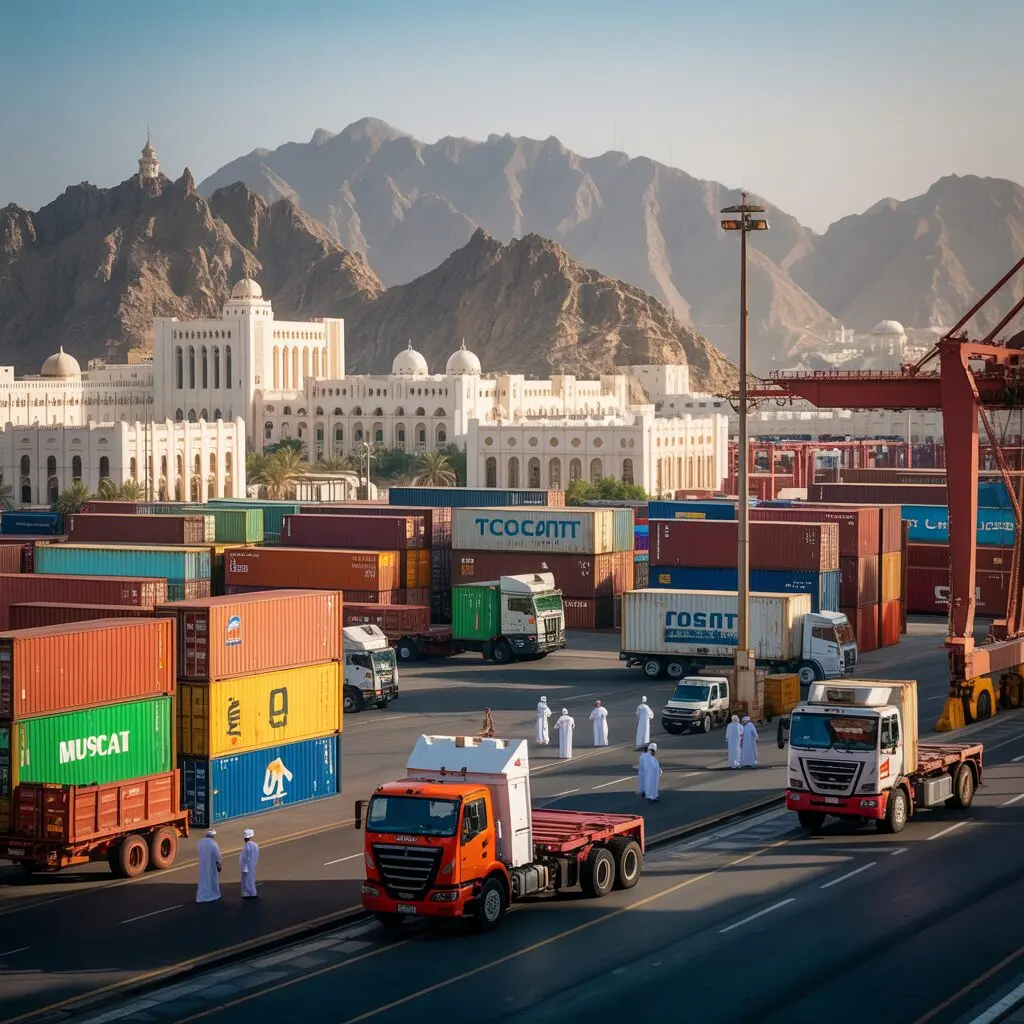
Understanding Oman customs regulations before you travel helps you breeze through the arrival process – this guide covers prohibited items, duty-free allowances, declaration requirements, and practical tips so you know exactly what you can and cannot bring into the Sultanate of Oman.
Oman Customs Regulations at a Glance
Oman customs regulations govern what travelers can bring into the country, how much duty-free goods they may carry, and which items are strictly prohibited. The Royal Oman Police and the Directorate General of Customs manage all customs enforcement at airports, land borders, and seaports. Every traveler arriving in Oman must clear customs inspection, regardless of whether they hold an Oman eVisa or a visa obtained through an embassy.
Key customs facts:
| Category | Rule |
|---|---|
| Duty-free tobacco | 200 cigarettes or 50 cigars or 500g of tobacco |
| Duty-free alcohol | Non-Muslims: 2 liters of spirits |
| Currency limit | Declare cash over 6,000 OMR (or equivalent) |
| Personal items | Reasonable quantity for personal use |
| Medication | Prescription with doctor’s letter required |
| Prohibited items | Drugs, weapons, pornography, gambling devices |
The customs process at Muscat International Airport and other entry points is straightforward. Most travelers with standard luggage pass through the green channel without inspection. However, random checks do occur, so always ensure your belongings comply with the rules.
Prohibited and Restricted Items
Oman maintains strict prohibitions on certain categories of goods. Bringing prohibited items into the country can result in confiscation, fines, or even criminal prosecution.
Prohibited items include:
- Narcotics and drugs – Zero tolerance policy. Even trace amounts of controlled substances can lead to severe penalties
- Weapons and ammunition – Firearms, explosives, and military equipment require special permits from the Ministry of Defense
- Pornographic material – Any explicit content in print, digital, or video format is banned
- Gambling devices – Including slot machines, roulette wheels, and related equipment
- Counterfeit goods – Fake branded products may be confiscated and destroyed
- Radio transmitters – Communication equipment that operates on restricted frequencies
Restricted items require permits:
- Medications – Many common over-the-counter drugs in Western countries are controlled in Oman. Codeine-based painkillers, certain anxiety medications, and some sleep aids require a prescription and a doctor’s letter. Bring medications in original packaging with clear labeling
- Drones – Recreational drones require registration with the Telecommunications Regulatory Authority. Commercial drones need additional permits
- Alcohol – Only non-Muslim travelers may bring alcohol duty-free. Import quantities are limited to 2 liters of spirits
- Pets – Cats and dogs need health certificates, rabies vaccination proof, and may require quarantine
Travelers should verify their Oman visa type and check the latest customs rules before packing, as regulations can change with minimal notice.
Duty-Free Allowances and Exemptions
Every traveler entering Oman is entitled to bring certain goods without paying customs duty. These allowances apply per adult and cannot be pooled between travelers.
Standard duty-free allowances:
| Item | Maximum Allowance |
|---|---|
| Cigarettes | 200 sticks |
| Cigars | 50 cigars |
| Tobacco | 500 grams |
| Spirits (non-Muslims only) | 2 liters |
| Wine/beer (non-Muslims only) | 2 liters |
| Perfume | Reasonable personal quantity |
| Gifts | Up to 300 OMR in value |
Exceeding allowances: If your goods exceed the duty-free limits, you must declare them at the red channel and pay applicable duties. Duty rates vary by product category but typically range from 5% to 15% of the assessed value.
Important notes:
- Tobacco and alcohol allowances apply only to travelers aged 18 and older
- The alcohol allowance is only for non-Muslim travelers
- Commercial goods are not covered by personal duty-free allowances and require separate import documentation
- Food items for personal consumption are generally permitted but may be inspected
Before departing, review your eVisa application status to ensure your travel documents are in order, and confirm you meet all Oman entry requirements.
Currency Declaration Rules
Oman has specific rules about bringing currency and monetary instruments into the country. These rules apply to all travelers regardless of nationality.
Declaration requirements:
- You must declare any amount exceeding 6,000 OMR (approximately 15,600 USD) or its equivalent in other currencies
- The declaration form is available at the customs counter upon arrival
- Failure to declare can result in fines or confiscation of funds
- The rule covers cash, traveler’s checks, money orders, and bearer bonds
Practical currency tips:
- Keep exchange receipts from your home country for reference
- The Omani Rial is pegged to the US dollar at a fixed rate of 1 OMR = 2.60 USD
- ATMs are widely available at airports and throughout major cities if you need to withdraw cash after arrival
- Credit cards are accepted at hotels, restaurants, and larger shops, but carry cash for souks and small vendors
Food and Agricultural Products
Oman customs regulates the import of food and agricultural products to protect local agriculture and public health.
Generally permitted (for personal use):
- Packaged and commercially sealed food products
- Bread, pastries, and confectionery
- Canned goods and preserved foods
- Spices and dried herbs in sealed packaging
Restricted or prohibited:
- Fresh fruits and vegetables may be subject to inspection and some items may be confiscated
- Seeds and plants require phytosanitary certificates
- Meat products from countries with known animal disease outbreaks are banned
- Raw dairy products may be restricted
Best practice: Declare all food items on your customs form to avoid delays. Customs officers are generally reasonable with small quantities of packaged food for personal consumption.
Customs Process at Oman Airports
Understanding the customs process at arrival helps you move through the airport quickly and confidently.
Step-by-step process:
1. Disembark and proceed to passport control with your approved eVisa and passport
2. Collect your luggage from the baggage carousel
3. Proceed to customs – choose the appropriate channel:
- Green channel – Nothing to declare (standard personal items within duty-free limits)
- Red channel – Items to declare (excess goods, large currency amounts, restricted items)
4. If selected for inspection – Cooperate with officers, present your declaration form, and allow them to examine your luggage
5. Exit the customs area and proceed to the arrivals hall
At Muscat International Airport: The customs area is well-signposted in English and Arabic. X-ray machines scan all luggage, and officers may ask questions about your belongings. The process typically takes 5-15 minutes for travelers with nothing to declare.
Oman Customs Rules by Nationality
While customs regulations are the same for all travelers, certain nationalities may face additional scrutiny or have specific considerations.
GCC residents and nationals: Citizens of Gulf Cooperation Council countries (Saudi Arabia, UAE, Kuwait, Bahrain, Qatar) enjoy simplified customs processes. They may bring larger quantities of personal goods and have faster clearance lanes at airports.
Indian citizens: Travelers from India should be aware that certain Ayurvedic medicines may contain controlled substances in Oman. Always carry a prescription and verify ingredients before traveling. More details in our guide for Indian citizens.
UK and European citizens: Travelers from the UK and Europe should note that some medications available over the counter at home require prescriptions in Oman. Check the Oman Ministry of Health website before traveling. See our UK citizens guide for visa-specific information.
Filipino citizens: OFWs and Filipino travelers should carry employment contracts and accommodation proof alongside their eVisa to facilitate smooth entry.
Common Customs Mistakes to Avoid
Many travelers encounter unnecessary delays or penalties at Oman customs due to simple oversights.
Top mistakes and how to avoid them:
- Not declaring medications – Always declare prescription drugs and carry a doctor’s letter. Some common Western medications are controlled substances in Oman
- Exceeding tobacco limits – Bringing more than 200 cigarettes without declaration leads to confiscation and possible fines
- Packing prohibited items in checked luggage – X-ray screening applies to all bags, checked and carry-on alike
- Forgetting to declare large cash amounts – The 6,000 OMR threshold applies to the total value of all currencies combined
- Carrying drone equipment without permits – Drones are regulated and may be confiscated at the border without proper documentation
- Bringing food items that violate agricultural rules – Fresh produce from certain regions may be prohibited
For a smooth arrival experience, also review our Oman airport guide for terminal layouts, transport options, and practical arrival tips.
Frequently Asked Questions
Can I bring my prescription medication to Oman?
Yes, you can bring prescription medication to Oman, but you must carry it in its original packaging with a valid doctor’s prescription or letter. Some medications that are legal in Western countries are controlled in Oman, including codeine-based painkillers, certain anti-anxiety medications, and some sleep aids. It is strongly recommended to check with the Oman Ministry of Health before traveling to confirm your specific medication is permitted.
How much cash can I bring into Oman without declaring?
You can bring up to 6,000 OMR (approximately 15,600 USD) or its equivalent in other currencies without making a declaration. Any amount exceeding this threshold must be declared on the customs form provided at arrival. This rule covers all forms of cash, traveler’s checks, money orders, and bearer bonds. Failure to declare can result in fines or confiscation of funds.
Can I bring alcohol into Oman?
Non-Muslim travelers who are 18 years or older may bring up to 2 liters of spirits and 2 liters of wine or beer duty-free into Oman. Alcohol is only available in licensed hotels, restaurants, and clubs within Oman. Importing alcohol for commercial purposes requires a separate license. During Ramadan, additional restrictions on alcohol visibility may apply.
Is it allowed to bring food into Oman?
Packaged, commercially sealed food products for personal consumption are generally allowed. Fresh fruits, vegetables, and raw meat products may be subject to inspection or confiscation. Certain items from countries with animal disease outbreaks may be banned entirely. Always declare food items on your customs form to avoid delays or penalties.
Can I bring a drone to Oman?
Recreational drones can be brought into Oman but must be registered with the Telecommunications Regulatory Authority (TRA) before use. Commercial drones require additional permits. Drones may be temporarily held at customs until proper documentation is verified. Always check the latest TRA regulations before traveling with a drone.
What happens if I have prohibited items at Oman customs?
If prohibited items are found during customs inspection, they will be confiscated immediately. Depending on the item and quantity, you may face fines, detention, or criminal prosecution. Drug offenses carry especially severe penalties in Oman, including lengthy prison sentences. Always check the prohibited items list before packing to avoid serious legal consequences.
Do I need to declare gifts I am bringing to Oman?
Gifts for personal use within the duty-free allowance (up to 300 OMR in value) do not need to be declared. If the total value of gifts exceeds this threshold, you must use the red channel and pay applicable duties. Commercial goods intended for resale are not covered by personal duty-free allowances and require separate import documentation.
Are there different customs rules for GCC residents entering Oman?
GCC residents and nationals enjoy a simplified customs process at Oman entry points. They may bring larger quantities of personal goods and have access to faster clearance lanes. However, they are still subject to the same prohibited items list and currency declaration requirements as all other travelers. GCC nationals typically do not need a visa, while GCC residents of other nationalities may qualify for simplified eVisa processing.
Can I bring cigarettes and tobacco into Oman?
Yes, travelers aged 18 and older can bring up to 200 cigarettes, 50 cigars, or 500 grams of tobacco duty-free. Exceeding these limits requires declaration at the red channel and payment of applicable duties. These allowances cannot be combined or pooled between travelers – each adult receives their own individual allowance.
Last updated: July 2026. Oman customs regulations are subject to change. Verify the latest rules at the Royal Oman Police eVisa portal and Oman Directorate General of Customs before traveling.