
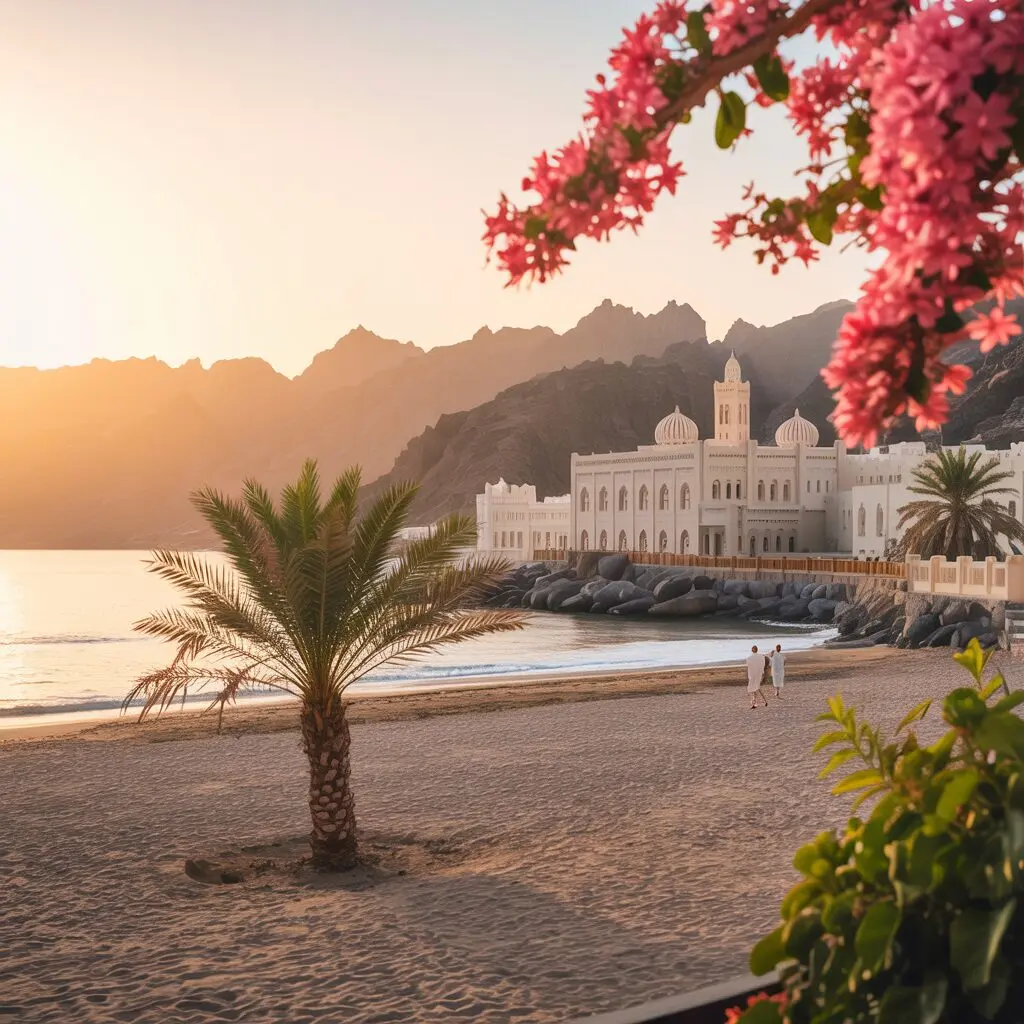
The best time to visit Oman is between October and March when temperatures are pleasant for outdoor exploration – this guide breaks down each season, regional climate differences, and what to expect month by month so you can plan the perfect trip.
Best Time to Visit Oman by Season
Oman’s climate varies significantly by region and season. Choosing the right time to visit directly impacts what you can see and do during your trip.
Seasonal overview:
| Season | Months | Temperature (Muscat) | Rainfall | Tourist Level |
|---|---|---|---|---|
| Winter (Peak) | November – February | 18-28C | Low | High |
| Spring | March – April | 22-33C | Low | Medium |
| Summer | May – September | 35-48C | Very Low | Low |
| Autumn | October | 25-35C | Low | Medium |
October to March is widely considered the best time to visit Oman. Daytime temperatures are comfortable for sightseeing, hiking, and desert camping. Evenings can be cool, especially in the mountains where temperatures may drop to 10-15C at night. This period aligns with peak tourist season, so book accommodation and flights early.
Before booking your trip, ensure you have a valid Oman eVisa approved. The eVisa processing time is typically 1-4 business days, so apply at least a week before departure.
Month-by-Month Breakdown
Understanding month-by-month conditions helps you pick the ideal travel dates for your interests.
January – February: The coolest months with daytime temperatures of 20-26C in Muscat. Perfect for outdoor exploration, desert camping at Wahiba Sands, and hiking in the Al Hajar Mountains. Sea water temperature is around 22-24C, suitable for swimming and diving.
March – April: Temperatures rise to 25-33C but remain pleasant. This is an excellent window for visiting wadis (valleys) before the heat intensifies. The desert wildflowers may bloom after winter rains, creating stunning landscapes. Fewer tourists mean better hotel rates.
May – June: Heat intensifies to 35-42C in Muscat and 40-48C inland. Outdoor activities become challenging. However, this is the start of the Khareef (monsoon) season in Salalah, which begins around late June and transforms the Dhofar region into a lush green paradise.
July – August: The hottest months with extreme heat across most of Oman. The Salalah Khareef season is in full swing, attracting domestic and regional tourists who come to enjoy the cool, misty weather (25-30C) and green landscapes. These months are ideal for Salalah but uncomfortable elsewhere.
September – October: Temperatures begin to ease. October marks the transition back to pleasant weather, making it a great shoulder season with fewer crowds and lower prices. Some visitors consider October the single best month to visit, combining good weather with value.
November – December: Peak tourist season returns with temperatures of 20-28C. This is the prime window for all outdoor activities, including camping, hiking, diving, and exploring Oman’s top attractions. Book early as popular tours and hotels fill up quickly.
Best Time for Specific Activities
Different activities in Oman are best enjoyed during specific times of the year.
Desert camping and dune bashing:
- Best months: November to February
- Nighttime temperatures in the desert can drop to 5-10C in winter – bring warm layers
- Summer desert temperatures exceed 50C during the day and are dangerously hot
Hiking and trekking:
- Best months: October to March
- Jebel Shams (Oman’s highest peak at 3,009m) is most accessible in cooler months
- Wadi walks are best avoided in summer due to heat and the risk of flash floods
- The Al Hajar Mountains offer cooler temperatures year-round compared to the coast
Beach and water activities:
- Best months: October to May
- Sea temperatures range from 22C (January) to 30C (August)
- Diving at the Daymaniyat Islands is best from October to May with visibility up to 30 meters
- Whale shark season near Muscat runs from October to November
Cultural exploration:
- Year-round for museums, forts, and souks (air-conditioned or covered)
- October to March for outdoor cultural sites and walking tours
- Ramadan (dates vary annually) – many restaurants close during the day; respect local customs
- The Muscat Festival typically takes place in January-February
Best Time by Region
Oman’s diverse geography creates distinct climate zones worth considering.
Muscat and the Batinah Coast:
- Hot, humid summers (May-September) with temperatures around 35-42C
- Pleasant winters (November-March) with temperatures of 20-28C
- Best visited: October to April
Al Hajar Mountains (Jebel Shams, Jebel Akhdar):
- Significantly cooler than the coast, with winter temperatures dropping to 0-10C at altitude
- Summer temperatures are more moderate than the lowlands but still warm
- Best visited: October to April for hiking; March-April for cherry and rose blossoms at Jebel Akhdar
Dhofar Region (Salalah):
- Khareef monsoon season: June to September with temperatures of 25-30C and lush green landscapes
- Dry season: October to May with warm temperatures and sunny skies
- Best visited: June to September for Khareef; October to March for dry-season sightseeing
Musandam Peninsula:
- Mild winters and hot summers similar to Muscat
- Best for dhow cruises and diving: October to May
- Sea conditions are calmest from November to April
Crowd Levels and Pricing
Timing your visit to Oman can significantly affect your budget and overall experience.
High season (November – February):
- Hotel prices at their highest (20-50% above off-season rates)
- Popular attractions are busier, especially on weekends (Friday-Saturday)
- Flights to Oman are more expensive
- Advance booking for tours and accommodation is essential
Shoulder season (March – April, October):
- Best balance of weather, crowds, and pricing
- Hotel rates drop 15-30% compared to peak season
- Good availability for tours and activities
- Excellent conditions for most outdoor activities
Low season (May – September):
- Lowest hotel rates across Oman (excluding Salalah during Khareef)
- Fewer tourists at major attractions
- Outdoor activities are limited by extreme heat
- Salalah during Khareef is the exception – prices and crowds increase
Budget tip: Apply for your Oman eVisa early to lock in flight and hotel deals during shoulder or low season periods. Check our Oman eVisa fees guide for cost planning.
Weather Considerations for Travelers
Practical weather information helps you pack correctly and plan your days effectively.
What to pack by season:
| Season | Daytime Clothing | Evening/Additional | Essentials |
|---|---|---|---|
| ——– | —————– | ——————- | ———— |
| Winter (Nov-Feb) | Light layers | Light jacket or sweater | Sunscreen, sunglasses |
| Spring (Mar-Apr) | Lightweight, breathable | Light cardigan | High-SPF sunscreen, hat |
| Summer (May-Sep) | Ultra-light, loose | Air-conditioned layer | Sunscreen, electrolytes |
| Autumn (Oct) | Light summer clothing | Light layer for evenings | Sunscreen, water bottle |
Health considerations:
- Stay hydrated year-round – drink at least 2-3 liters of water daily
- Apply high-SPF sunscreen even in winter – Oman’s sun is intense
- Take breaks in air-conditioned spaces during summer heat
- Sandstorms can occur in spring and early summer, particularly in desert areas
- The humidity in Muscat can be uncomfortable from June to September
For more practical advice on staying safe and healthy in Oman, see our Oman safety tips guide.
Frequently Asked Questions
What is the absolute best month to visit Oman?
November is often considered the best single month to visit Oman. Temperatures are pleasant (22-28C), the sea is warm for swimming and diving, rain is unlikely, and all outdoor activities are accessible. December through February are equally excellent but may be more crowded and expensive due to peak tourist season and holiday periods.
Is it too hot to visit Oman in summer?
Most of Oman experiences extreme heat from May to September, with temperatures often exceeding 45C inland. This makes outdoor activities uncomfortable or even dangerous. However, the Salalah region in southern Oman is a notable exception – the Khareef monsoon season brings cool temperatures (25-30C) and lush green landscapes from June to September.
Can I visit Oman during Ramadan?
Yes, you can visit Oman during Ramadan, but be aware that many restaurants and cafes close during daylight hours. Eating, drinking, and smoking in public during fasting hours is considered disrespectful and is technically illegal. Hotels and private spaces serve food normally. Ramadan offers a unique cultural experience with evening festivities and special meals after sunset. Check the exact dates as they shift annually.
What is the Khareef season in Salalah?
The Khareef is the monsoon season that affects the Dhofar region of southern Oman from approximately late June through September. It brings moisture-laden winds from the Indian Ocean, transforming the typically arid landscape into a lush green paradise with mist, light rain, and temperatures around 25-30C. It is a major tourist attraction, drawing visitors from across the Gulf region.
When is the cheapest time to travel to Oman?
The low season from May to September (excluding Salalah during Khareef) offers the lowest prices for flights and hotels. You can save 20-50% compared to peak season rates. However, outdoor activities are limited by extreme heat. If budget is your priority and you are comfortable with high temperatures, summer offers significant savings.
Is winter cold in Oman?
Oman’s winter (November to February) is mild along the coast with daytime temperatures of 20-28C. However, in the mountains, especially at higher elevations like Jebel Shams, nighttime temperatures can drop to 0-10C. Desert areas also get cold at night (5-15C). Pack layers if you plan to camp in the desert or hike in the mountains during winter months.
When is the best time for diving in Oman?
The best diving season in Oman runs from October to May. Water visibility is excellent (up to 30 meters) at the Daymaniyat Islands Nature Reserve near Muscat. Water temperatures range from 22C in winter to 30C in late summer. Whale shark sightings are most common from October to November. Summer diving is possible but visibility decreases and sea conditions can be less predictable.
Do I need to worry about sandstorms in Oman?
Sandstorms (called shamal winds) can occur in Oman, particularly in desert regions during the spring and early summer months (March to June). They are more common in the interior than along the coast. If a sandstorm occurs, seek indoor shelter, close windows, and wear a mask if you must go outside. Most sandstorms pass within a few hours.
Last updated: July 2026. Weather patterns may vary. Check current forecasts before traveling and ensure your Oman eVisa is approved before booking.